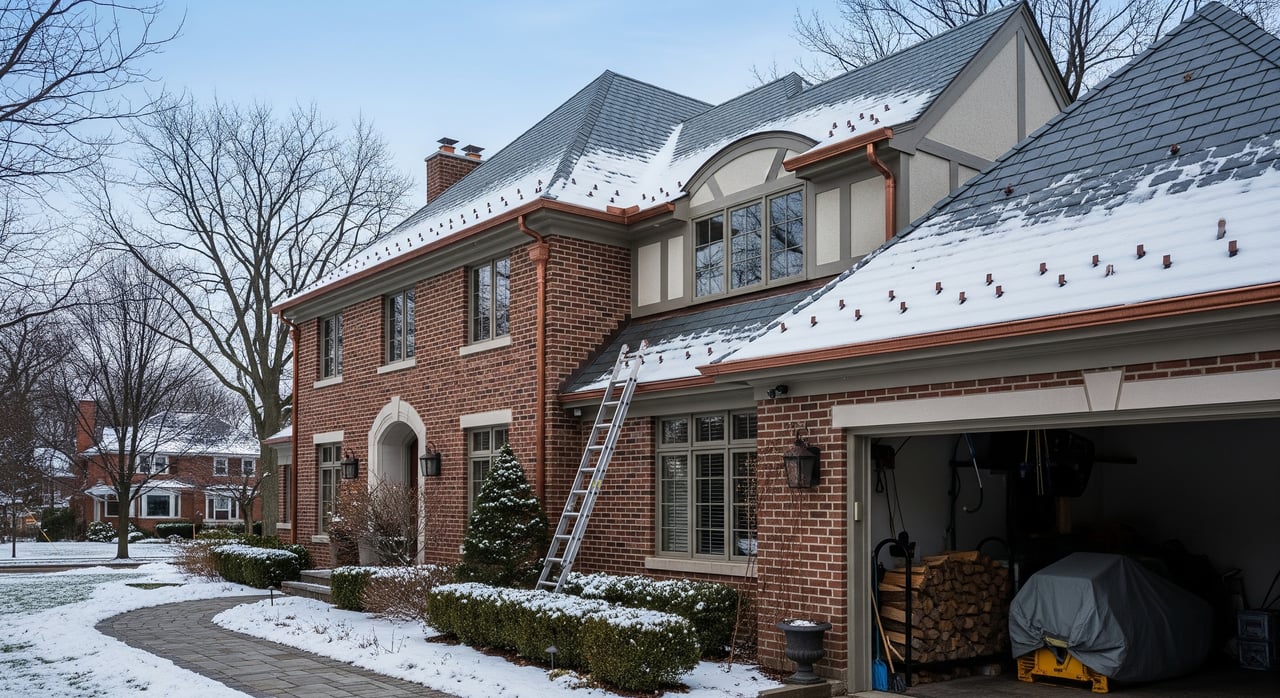
Is your Wheaton home ready for deep freezes, heavy snow, and constant freeze–thaw cycles? Winter here can be tough on roofs, pipes, basements, and heating systems, especially in older homes. With a simple plan, you can reduce emergencies, lower energy costs, and protect your home’s value. Use this local, step-by-step checklist to prepare, know when to call a pro, and tap into area resources. Let’s dive in.
Know Wheaton winter risks
Wheaton winters bring repeated freeze–thaw cycles, sub-freezing stretches, and regular snow and ice. That mix increases the chance of ice dams, frozen pipes, and drainage issues from snowmelt. Attics need balanced insulation and ventilation, and sump pumps should be ready because frozen ground and rapid melt can stress basement systems. Older homes with less insulation and older plumbing often need extra attention.
Heating and indoor air
Keep your heating system reliable and safe all season.
- Schedule a professional furnace or boiler tune-up in early fall. Pros should inspect burners and heat exchangers, check combustion safety and CO levels, verify flue venting, and confirm thermostat calibration.
- Replace disposable filters now, then monthly during heavy use. Dirty filters reduce efficiency and can stress your system.
- Test smoke and carbon monoxide alarms. Replace batteries if needed and place CO alarms outside sleeping areas per widely accepted safety guidance.
- Adjust thermostat schedules to match your winter routine. A smart or programmable thermostat can help manage comfort and energy use.
- Manage humidity. Aim for comfortable indoor humidity that avoids window condensation and moisture buildup that can contribute to ice-dam risk. A portable or whole-home strategy can help.
- If you heat with natural gas, keep exterior vents clear of snow and ice. If you use electric heat, plan for higher winter electric loads and consider energy-saving habits.
Attic, insulation, and roof
Reduce heat loss and prevent ice dams with the right upgrades.
- Check attic insulation coverage and depth. Seal air leaks around plumbing stacks, recessed lights, chimneys, and the attic hatch before adding insulation.
- Confirm attic ventilation. Clear soffit and ridge vents so air can flow. Balanced insulation and ventilation help keep roof temperatures even.
- Clean gutters and downspouts. Make sure downspouts carry water away from the foundation to limit ice buildup and spring seepage.
- Inspect the roof from the ground. Look for loose or missing shingles, worn flashing, and signs of prior ice dams. Hire a qualified roofer for icy or high work.
- Prevent ice dams. Improve attic insulation and ventilation, safely remove roof snow after heavy storms, and consider roof-appropriate heat cable only as a last resort and installed per manufacturer guidance.
- Check chimney caps and flashing. Repair cracked mortar or damaged flashing to prevent water intrusion.
Seal exterior and windows
Small gaps let in cold air and moisture. Tighten the envelope now.
- Re-caulk exterior joints around windows, doors, trim, and utility penetrations.
- Add or repair weatherstripping on doors and windows. For older single-pane units, consider storm windows or insulating film.
- Shut off and drain exterior hose bibs. Winterize irrigation lines with a blow-out or schedule a pro.
- Check grading. Soil should slope away from your foundation to direct snowmelt away from the house.
Protect plumbing and sump pump
A few simple steps can prevent costly water damage.
- Prevent frozen pipes. Insulate exposed pipes in unheated areas, open cabinet doors under sinks on the coldest nights, and let at-risk faucets drip during extreme cold.
- Test your sump pump. Lift the float to confirm the pump runs, and check that the discharge line is clear and directs water away from the foundation.
- Add a backup. Consider a battery or water-powered backup pump, especially if your basement has a history of seepage during heavy snowmelt.
- Set a safe water heater temperature. Many agencies recommend 120°F to reduce scald risk and save energy. Insulate older tanks and hot-water lines where accessible.
Electrical and lighting safety
Winter weather can strain electrical systems and reduce visibility.
- Inspect the electrical panel and outlets, especially in older homes. Address any signs of overheating or wear with a licensed electrician.
- Test outdoor GFCI outlets and cover them with proper in-use covers.
- Practice generator safety. Never run a generator indoors or in an attached garage, and use approved transfer equipment.
- Check exterior lighting. Replace bulbs, clean lenses, and aim fixtures to illuminate steps and walkways for safe snow and ice removal.
Snow and ice management
Having a plan makes storms easier to handle.
- Clear driveways and sidewalks promptly. Line up snow removal help in advance if needed.
- Know local rules. Review the City of Wheaton’s guidance on plow routes and sidewalk responsibilities so you understand what you must clear and when.
- Choose de-icers wisely. Calcium chloride works at lower temperatures than rock salt but can harm vegetation and concrete if overused. Sand or grit adds traction without chemical runoff but requires cleanup.
Interior prep and emergency kit
Stock essentials and button up outdoor equipment.
- Build a winter kit. Include flashlights, batteries, bottled water, blankets, a battery-powered radio, first-aid supplies, phone chargers, and a small shovel.
- Winterize outdoor gear. Drain and store hoses, cover or protect the AC condenser, and put snow tools where you can reach them.
- Service fireplaces and chimneys. Schedule an annual inspection and cleaning if you burn regularly, and confirm dampers and caps are intact.
Permits and hiring pros in Wheaton
Some winter projects require permits. Furnace replacements, gas line changes, major roof work, and significant electrical upgrades typically need permits through the City of Wheaton or DuPage County. Always check current requirements before you start.
When you hire help, look for strong credentials. For HVAC work, NATE-certified technicians are a good benchmark. For roofing, choose licensed contractors with recognized trade memberships and proof of insurance. For plumbing and electrical, use licensed professionals and verify credentials with the proper state or local authority. Get multiple bids, written estimates, references, and a clear timeline before you commit.
When to call a professional
Call a qualified pro right away if you notice any of the following:
- A carbon monoxide alarm activates or you suspect CO exposure.
- Furnace or boiler issues like unusual odors, short-cycling, or pilot problems.
- Active roof leaks, significant ice dams with interior moisture, or concerns about snow load.
- Sump pump failure during active flooding or repeated seepage after snowmelt.
- Frozen or burst pipes.
- Electrical panel sparking, frequent breaker trips, or burning smells.
If you plan to sell this spring
Winter maintenance protects comfort now and supports a smoother sale later. Clean gutters, a serviced furnace, and a dry basement are simple signals that a home has been cared for. Buyers notice tight windows and a well-insulated attic, and inspectors do too. If you are prepping for a spring listing, use this checklist to fix easy wins, then plan any strategic upgrades that offer a solid return.
Next steps
A little planning goes a long way in a Wheaton winter. Start with the tasks that reduce risk right away, like servicing your furnace, sealing drafts, and testing your sump pump. If you are thinking about a spring move or want help prioritizing pre-list projects that pay off, reach out for guidance tailored to your goals.
Get a calm, data-led plan for your next step. Connect with Julie Riddle for a personalized market consultation.
FAQs
When should I schedule a Wheaton HVAC tune-up?
- Book service in early fall, typically September or October, so your system is safe, efficient, and ready before peak heating demand.
How much attic insulation do Wheaton homes need?
- Recommended levels vary by climate zone and your current R-value. Prioritize air sealing and then add insulation as advised by an energy professional for our local climate.
What ice melt works best in very cold weather?
- Calcium chloride performs at lower temperatures than rock salt. Use any de-icer as directed, and consider sand for traction to reduce chemical impact on landscaping and concrete.
Do I need a permit to replace a furnace or roof in Wheaton?
- Most furnace replacements and major roof projects require permits. Check current rules with the City of Wheaton and DuPage County before work begins.
How can I prevent frozen pipes in an older home?
- Insulate exposed lines, open cabinet doors on frigid nights, and let at-risk faucets drip during extreme cold. Address cold spots with targeted air sealing and insulation.
Should I add a battery backup to my sump pump?
- A backup pump is a smart safeguard in DuPage County, where rapid snowmelt can overwhelm drainage. Battery or water-powered units provide protection during outages.
Who clears sidewalks after snow in Wheaton?
- Homeowners are typically responsible for clearing their sidewalks, while the city manages streets and plow routes. Review local guidance so you understand timing and responsibilities.
