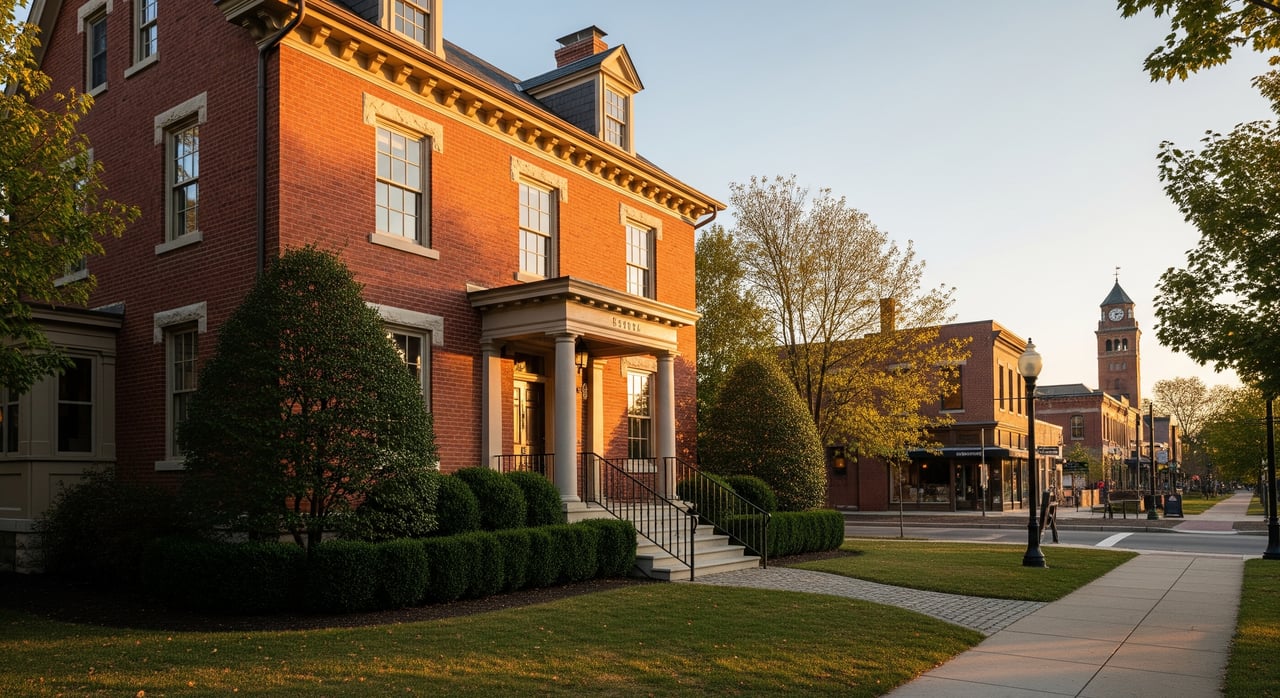
Dreaming of mornings where coffee, parks, and the Metra train are all an easy stroll from your front door? If a walk-to-downtown Geneva address is on your list, you are not alone. You also may be weighing trade-offs like smaller lots, older-home maintenance, parking, and river proximity. This guide breaks down the real pros and cons, what to check before you buy, and how to market a downtown home if you plan to sell. Let’s dive in.
Walk-to-downtown, defined
In Geneva, walk-to-downtown typically means quick pedestrian access to Third Street shops and restaurants, Fox River paths, and the Metra Union Pacific West Line station. You can reach cafés, boutiques, groceries, banks, parks, and community events on foot. Seasonal festivals and markets add energy and convenience, and they can bring more visitors, noise, and parking pressure at times. Your experience will vary by block and by how close you are to the commercial corridors.
Benefits you will feel day one
- Lifestyle convenience. Short walks to dining, errands, parks, and community events can simplify daily routines and reduce car trips.
- Commute options. Direct Metra access to Chicago boosts flexibility for commuters and can reduce stress.
- Resale appeal. Walkable locations often attract steady demand, which can support faster market times.
- Community access. Proximity to riverfront recreation and downtown cultural programming fosters a connected, active lifestyle.
Costs and constraints to expect
- Higher price per square foot. The lifestyle premium can mean paying more than you would further from the core.
- Smaller lots, less privacy. Narrower setbacks and limited outdoor space are common, with less room for large additions.
- Parking trade-offs. Some homes rely on on-street parking or alley access, and permit rules may apply.
- Historic or zoning limits. Exterior changes can require review, and mixed-use areas may see future commercial activity nearby.
Older-home realities to inspect
Homes near downtown often predate modern building codes. Plan a thorough inspection and budget for updates.
- Electrical and plumbing. Confirm panel capacity, look for older wiring types, and evaluate pipe materials and water pressure.
- Roof, foundation, and moisture. Check age and condition, attic ventilation, and any signs of seepage or settlement.
- Insulation and windows. Energy efficiency may lag, especially in original windows or uninsulated walls.
- Environmental hazards. Many homes built before 1978 may have lead-based paint, and some older materials can contain asbestos. Testing and mitigation add cost.
Parking, noise, and events
Downtown vibrancy is a perk, yet it brings practical considerations.
- Parking. Confirm whether you have a garage or driveway, or if you rely on on-street spaces, municipal lots, or permits. Review overnight and guest parking rules.
- Noise and nightlife. Visit the block at different times, such as weekend evenings, to gauge restaurant and festival activity.
- Deliveries and service hours. Homes on busier streets may experience early-morning or late-evening activity.
Floodplain and river proximity
The Fox River is a major amenity, and it also requires diligence. Properties closer to the river can fall within FEMA-designated floodplains or have prior flood history. Flood insurance and mitigation measures can add cost and may be required by lenders. Verify maps, ask about historic water events on the property, and assess grading and drainage.
Historic preservation and permits
Many downtown-area homes have historic character and may fall under local preservation guidelines. Historic status can support curb appeal and long-term value, but it can also limit exterior changes. Plan for potential review timelines, approved materials, and added renovation costs when budgeting upgrades.
Appraisals, financing, and insurance
Lending and valuation on older, in-demand properties can be nuanced.
- Underwriting. Lenders may require safety and system updates for older electrical, HVAC, or plumbing.
- Appraisals. Appraisers reference comparable sales, and market recognition of walkability can appear through nearby comps.
- Insurance. Older systems, roofing, or specialty materials can influence premiums. Factor this into your monthly costs.
How to evaluate a block
Use this quick checklist to test fit and reduce surprises.
- Walk the route. Time the walk to Third Street, the Metra station, groceries, parks, and other frequent destinations.
- Sidewalks and crossings. Note continuity, lighting, and crosswalks. In winter, confirm who handles sidewalk snow removal.
- Parking rules. Verify on-street regulations, overnight limits, permit needs, and any dedicated spaces.
- Flood and drainage. Review FEMA and county floodplain maps, ask about historic water issues, and inspect sump pumps or drainage solutions.
- Historic status. Confirm if the home lies in a district that requires exterior review and what that means for future projects.
- Mechanicals and structure. Invest in inspections focused on roof, foundation, electrical, plumbing, HVAC, and moisture.
- Environmental checks. Ask about lead-based paint and possible asbestos in older finishes.
- Zoning and development. Learn whether your block sits in a mixed-use area or near planned redevelopment.
- Services and taxes. Understand trash pickup, any special taxing districts, and property tax assessments within Kane County.
If your search expands to nearby Elgin or other Kane County areas, verify local tax rates, municipal rules, and school district boundaries since Elgin spans multiple jurisdictions.
Seller playbook for downtown homes
Want to maximize your sale while setting buyer expectations clearly?
- Lead with lifestyle. Share real walk times to the Metra, Third Street, parks, and river paths.
- Proactively address concerns. Document updates to mechanicals, outline parking arrangements, and consider a pre-listing inspection.
- Stage for walkability. Emphasize flow, natural light, and flexible spaces over yard size. Use photos that highlight pedestrian access.
- Smart upgrades. Light landscaping, refreshed lighting, and modest kitchen or bath updates can help buyers focus on location advantages.
- Price with precision. Use nearby downtown comps and account for any historic-preservation impacts that shape the buyer pool.
Is a walkable Geneva home right?
If you value convenience, community energy, and transit access, a walk-to-downtown home can be a great fit. You will trade larger yards and quieter streets for location, and you should budget for the realities of older construction. With the right due diligence, you can enjoy the best of Geneva’s historic core while protecting your budget and future plans. If you are weighing a sale, positioning your property around true walkability benefits can drive strong results.
Ready for tailored guidance on a downtown Geneva move or sale? Connect with Julie Riddle for a data-led plan and neighborhood-level insight.
FAQs
How much more do walk-to-downtown Geneva homes cost?
- Premiums vary by block, condition, and recent comparable sales near the core, so review downtown comps against similar homes farther out rather than applying a flat markup.
Do walkable Geneva homes guarantee private parking?
- Not always, since some properties rely on on-street parking, municipal lots, or permits; confirm garage or driveway details and verify the local rules for overnight and guest parking.
What should I know about flood risk near the Fox River in Geneva?
- Some properties are in FEMA-designated floodplains, so check maps and local history, and factor potential insurance requirements and mitigation costs into your budget.
Are older Geneva homes near downtown expensive to maintain?
- They can be, since electrical, plumbing, insulation, windows, and HVAC may need updates, and pre-1978 homes may involve lead-based paint and other legacy materials.
Is a walk-to-downtown Geneva home a strong resale investment?
- Walkability draws steady demand and can support faster sales, but returns depend on location, condition, historic considerations, and broader market cycles.
If I shop in nearby Elgin or elsewhere in Kane County, what changes?
- Verify school district boundaries, property tax rates across jurisdictions, and any local preservation or parking rules that could differ from those in Geneva.
