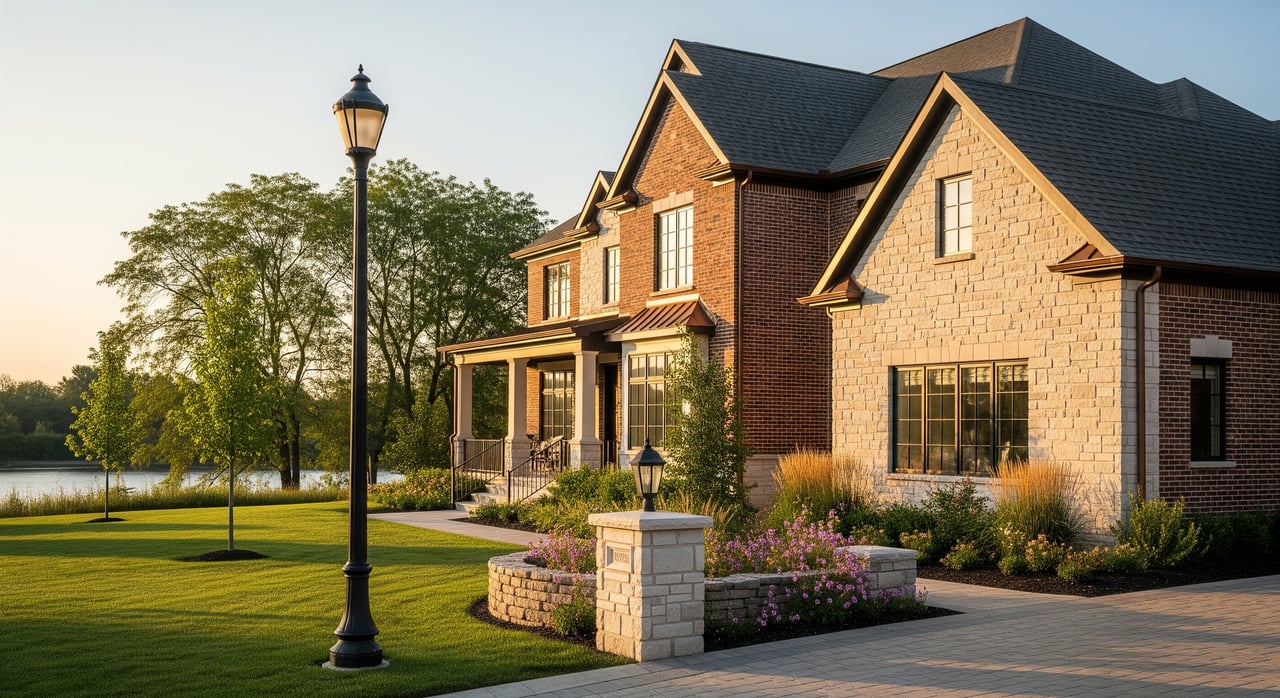
Is an HOA a smart move for your next home in Batavia or Elgin, or would you rather live without one? If you are weighing fees, rules, and winter maintenance, you are not alone. Many Kane County buyers struggle to balance convenience with flexibility. In this guide, you will learn how HOAs work here, the real pros and cons, and the due diligence steps that keep your purchase on track. Let’s dive in.
HOA basics in Batavia and Elgin
An HOA is a private association created by a developer and later run by a resident-elected board. It manages shared areas, enforces covenants and rules, and collects assessments to fund services. Day to day, that can include landscaping, common-area care, snow removal for private drives and paths, and management of amenities like trails or a clubhouse.
In our climate, HOAs often coordinate winter services, manage stormwater features like retention ponds, and set standards for exterior upkeep. The specifics depend on the recorded declaration, bylaws, and rules, which sit alongside city and county codes.
Where HOAs are common in Kane County
You will see more HOAs in newer subdivisions, planned communities, and most townhome or condo developments. Older single-family neighborhoods in Batavia and Elgin, and many rural parcels in Kane County, are more likely to have no HOA. In the Fox Valley, common HOA concerns include snow and ice management, tree and yard maintenance, stormwater, and exterior appearance.
Remember, municipal codes still apply even if there is no HOA. City code enforcement can complement private covenants, but it does not replace them.
Pros and cons at a glance
HOA advantages
- Maintenance and amenities: Shared landscaping, snow removal, and upkeep of common areas can save time and simplify life.
- Consistent standards: Uniform exterior guidelines can support curb appeal and help stabilize long-term values.
- Predictable services: Trash and recycling rules, common-area care, and amenity access are coordinated.
- Stormwater management: Associations often maintain retention ponds and shared drainage features.
- Professional support: Many HOAs use managers with local vendor networks for plowing and tree services.
HOA drawbacks
- Ongoing fees: Monthly or annual dues can rise, and special assessments may occur for bigger projects.
- Rules and limits: Architectural, parking, pet, and rental policies can affect your lifestyle and resale market.
- Governance challenges: Disputes with a volunteer board or neighbors can be stressful.
- Financial or legal risk: Low reserves, high delinquencies, or litigation can affect financing and owner costs.
- Closing costs: Transfer fees, document fees, and estoppel fees may apply at sale.
No-HOA advantages
- More autonomy: You have broader freedom for exterior choices and use, within city and county codes.
- No dues: There are no monthly HOA assessments.
- Simpler living: No board meetings, no association rules to follow.
No-HOA drawbacks
- You handle everything: Yard work, driveway and sidewalk snow removal, and repairs are your responsibility.
- Uneven upkeep nearby: Without covenants, neighboring properties may vary in maintenance quality.
- Fewer shared amenities: Pools, clubhouses, or coordinated solutions to shared infrastructure are less common.
- Less predictability: There is no central budget for private-road or shared-drainage repairs that fall outside municipal responsibility.
Costs, rules, and resale factors
HOA fees fund operations and reserves. Fees vary by community size, amenities, and services. Associations with stronger reserves are often better positioned to avoid large special assessments, while those with limited reserves may require extra owner contributions for major repairs.
Rules can shape daily life and resale. Architectural guidelines may limit exterior changes. Parking, pet, and rental policies can affect your use and the future buyer pool. If you are an investor, rental caps or leasing restrictions matter. For condos, lenders often review association documents, financial health, insurance coverage, and litigation status. Project-level approvals can impact mortgage options and timing.
In established non-HOA neighborhoods where many owners maintain homes well, the lack of an HOA may not hurt resale. In newer subdivisions, HOAs are common and often expected.
Due diligence for buyers
Before you commit, take a thorough look at the association. Request documents early and build time into your contract to review them.
Request these documents
- Declaration or CC&Rs
- Bylaws and Articles of Incorporation
- Rules and Regulations and any architectural guidelines
- Current budget and recent financial statements
- Reserve study or reserve policy and current reserve balance
- Board meeting minutes for the past 12 to 24 months, or at least the most recent year
- Master insurance summary and deductible information
- Estoppel certificate or assessment status letter
- Litigation disclosures and any pending claims
- List of current assessments, recent special assessments, and planned capital projects
- Management contract and management company contact, if applicable
- Pet, rental, and occupancy policies
- Procedures for exterior modifications and architectural reviews
Ask these questions
- What are the current assessments and what do they cover?
- Have there been special assessments in the past five years, and why?
- What is the reserve fund balance, and is there a current reserve study?
- Are any large capital repairs planned, such as roofs, siding, roads, or stormwater systems?
- Is the association self-managed or professionally managed, and who are the contacts?
- What does the master insurance policy cover, and what must owners insure?
- Are there rental caps or short-term rental rules?
- Are there ongoing or expected lawsuits?
- What percentage of owners are delinquent on assessments?
- How are snow removal, tree trimming, and common-area maintenance handled in winter months?
Red flags to watch
- Low reserves and no reserve study
- Frequent or large unplanned special assessments
- Active or recent litigation
- High delinquency rates among owners
- Restrictive rental policies if you plan to rent or invest
- Unclear insurance responsibilities or high master policy deductibles
Seller checklist
If you are selling a home in an HOA community, prepare early to avoid delays.
- Order an estoppel or status letter to confirm fees and account standing.
- Gather CC&Rs, bylaws, recent minutes, budget, and management contacts.
- Resolve or disclose any known violations or noncompliance issues.
- Confirm transfer fees, resale packet fees, and any HOA paperwork required for closing.
- Complete or disclose exterior repairs needed to meet association standards.
Local process and resources
In Batavia, Elgin, and across Kane County, you will work with both municipal codes and private covenants. For records, the Kane County Recorder maintains recorded declarations and plat maps. The Kane County Assessor can confirm parcel details. City of Batavia and City of Elgin websites provide property maintenance codes, zoning, and stormwater guidance. The Community Associations Institute offers helpful education for owners and board members.
For your purchase, include a document-review contingency, request the full association packet promptly, and confirm insurance responsibilities before binding coverage. For your sale, assemble documents ahead of listing and verify any transfer or move-in fees.
Which path fits your lifestyle?
If you want low maintenance, shared services, and consistent standards, an HOA may be a good fit. If you prefer more flexibility for projects, parking, or landscaping, and you do not mind handling snow and yard work, a non-HOA property may suit you better. In Kane County, winter needs, stormwater management, and neighborhood age all influence that choice.
If you want a calm, data-led walk-through of your options in Batavia, Elgin, or nearby communities, reach out. Julie Riddle can help you compare specific neighborhoods, review documents, and choose with confidence.
FAQs
What does an HOA fee usually cover in Batavia and Elgin?
- It often covers landscaping and common-area upkeep, snow removal for private roads or shared drives, management costs, and any amenities. Coverage varies by association documents.
How can an HOA affect my mortgage approval?
- Lenders may review condo or association documents, financial health, insurance coverage, delinquency rates, and litigation status. Troubled associations can limit financing options.
Are there extra closing costs when selling or buying in an HOA?
- Many associations charge transfer fees, document or resale packet fees, and estoppel fees. These are separate from standard closing costs.
What red flags should I check before buying into an HOA in Kane County?
- Low reserves, recurring special assessments, active litigation, high delinquencies, strict rental caps if you plan to rent, and unclear insurance responsibilities.
If I want more flexibility for projects or parking, is no-HOA better?
- Likely, though you must still follow city and county codes and any easements. Non-HOA living offers more autonomy but requires more personal maintenance.
