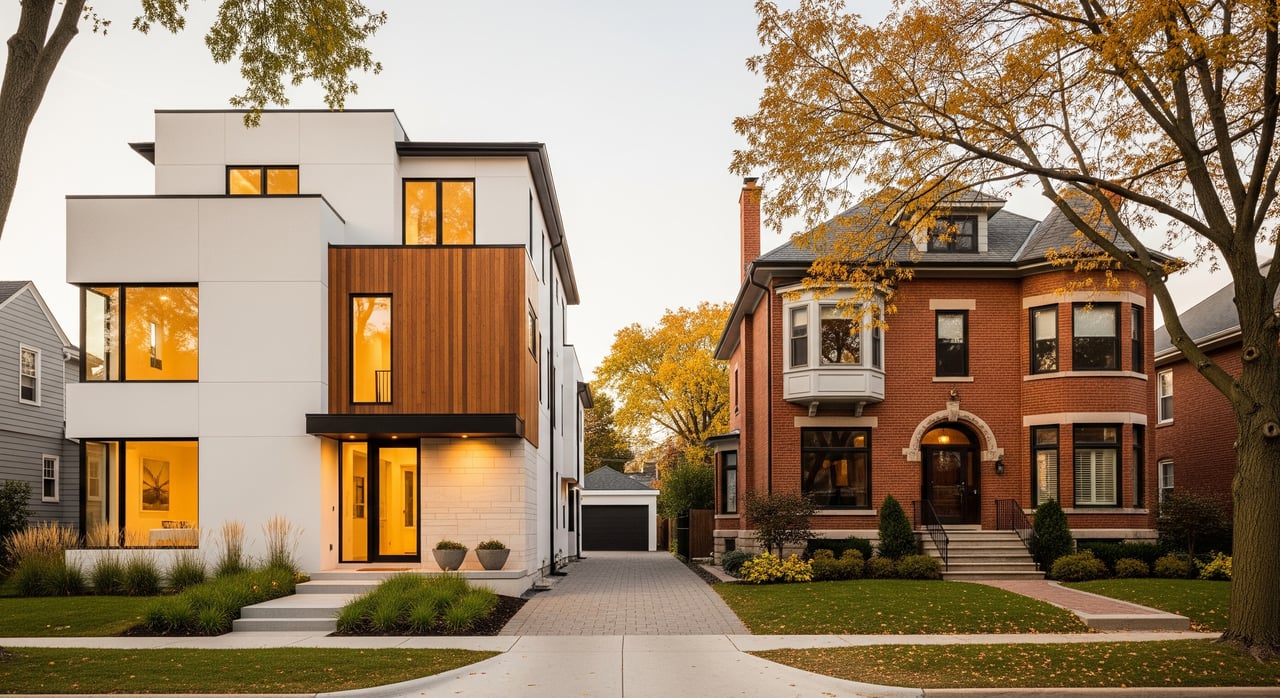
Wondering if a brand-new home or a well-kept resale is the better fit in Elgin? This choice affects your budget, timing, maintenance needs, and long-term value. In this guide, you’ll get a practical side-by-side comparison, Elgin-specific checks to run, and simple worksheets to help you decide with confidence. Let’s dive in.
New vs. resale at a glance
New construction
- What you’ll like: Modern layouts, energy-efficient systems, and the ability to choose finishes. Near-term maintenance is typically low, and many builders include staged warranties.
- What to watch: Final price can rise with lot premiums and upgrades. Timelines can shift with weather or supply-chain delays, and builder contracts are often less flexible.
Resale homes
- What you’ll like: Established neighborhoods with mature landscaping and known comparable sales. Negotiation flexibility on price, credits, and timing is common.
- What to watch: Condition varies widely. You may face near-term repairs or system replacements depending on age and maintenance history.
Costs: beyond the sticker price
Many buyers focus on list price, but the smarter comparison is total cost over time.
- New construction: Builders publish base prices, yet the “all-in” number often includes a lot premium, design-center upgrades, landscaping allowances, and potential closing cost incentives. Incentives vary by market conditions and may require using a preferred lender.
- Resale: Your price is negotiated and guided by comparable sales. You can often negotiate seller credits or repairs after inspection, but plan for deferred maintenance.
Property taxes influence monthly payments in both cases. New construction can trigger reassessment once the home is complete, so budget for changes in the first tax cycle. Also confirm any special assessments tied to new subdivision infrastructure.
Total 5-year cost formula
- Total 5-year cost = Purchase price + Closing costs + Upgrades/Renovations + (5 × yearly taxes) + (5 × yearly insurance) + (5 × yearly HOA) + (5 × yearly maintenance reserve) – Estimated resale value after 5 years.
Tip: Ask the builder for written energy specifications and typical utility estimates. New homes often reduce operating costs with better insulation, efficient HVAC, and improved windows.
Financing: what changes by type
- New construction: If you build from dirt, you may need a construction-to-permanent loan or a short-term loan that converts at completion. Some buyers choose move-in-ready spec homes and use a standard mortgage. Many builders offer incentives via preferred lenders, but compare rates, fees, and appraisal assumptions before you commit.
- Resale: Conventional, FHA, or VA financing is common. Older homes that need repairs can run into appraisal or loan-condition hurdles, so plan for repair negotiations or lender-required fixes.
Timeline and move-in speed
- New construction: Your timing depends on the build stage. A spec home can close relatively quickly. A from-scratch build introduces weather, permit, and supply timing risks. Always request a written schedule with milestones and remedies for delays.
- Resale: Typical closings run 30 to 60 days after contract, subject to inspection, appraisal, and underwriting. You can negotiate possession timing if the seller needs extra days.
Design, condition, and warranties
- New construction: You can personalize floor plans and finishes if you buy early. Upgrades add cost, so prioritize what boosts daily function and resale appeal. Most builders offer staged warranties, commonly covering workmanship, major systems, and structural items for stated periods. Even with warranties, schedule independent inspections at key points like pre-drywall and final walk.
- Resale: You may inherit timeless character and mature trees that new subdivisions lack. Renovations let you tailor the home to your taste, but plan for time, budget, and contractor selection. A comprehensive inspection helps you understand near-term repair needs.
Elgin-specific factors to verify
School boundaries and assignments
Elgin is largely served by Elgin Area School District U-46, though boundaries can change. If school placement matters to you, confirm attendance zones for the specific property address before you offer. New subdivisions may have different assigned schools than nearby established neighborhoods.
Property taxes and assessments
Kane County handles assessments, and new homes can see tax changes as assessments catch up to the completed structure. Ask your lender and title team to estimate first-year taxes and note any special assessments tied to subdivision infrastructure.
Utilities and infrastructure
New subdivisions typically offer municipal water and sewer. Edge-of-city or county-adjacent areas may use well and septic, so verify utility type and hookup fees. Many newer communities include stormwater basins and detention areas maintained by the HOA, which can affect fees and yard use.
HOA fees and rules
Most new subdivisions include an HOA. Request full covenants, conditions, and restrictions along with fee schedules and any planned special assessments. Older neighborhoods may not have an HOA, which can mean fewer rules but also fewer shared services.
Environmental and flood risk
Parts of Kane County have floodplains or localized drainage challenges. Review flood maps and ask about past water issues. Radon testing is common across Illinois and recommended for both new and resale purchases.
Commute options and nearby amenities
Proximity to employment centers, retail, parks, and healthcare can impact daily life and future resale. Check drive times during your actual commute windows and confirm your preferred transit options before you commit.
Builder reputation and follow-through
For new construction, reputation matters. Review warranty processes and whether the builder uses a third-party warranty provider. Look for patterns of code issues or warranty complaints, and make sure any promises on upgrades or timelines appear in writing.
Due diligence checklists
If you choose new construction
- Pricing clarity
- Written breakdown of base price, lot premium, required upgrades, and any incentives.
- Model upgrade sheets and standard specifications.
- Timeline and contract
- Construction schedule with milestones and remedies for delays.
- Builder-drafted contract reviewed by your real estate attorney or experienced agent.
- Protections and quality
- Full warranty documents, including coverage periods and claim procedures.
- Independent inspections at pre-drywall and final stages by a new-build–savvy inspector.
- Neighborhood and costs
- HOA documents, rules, fees, and potential special assessments.
- Utility hookup fees, landscaping responsibilities, and what’s included in the driveway, sidewalk, and street scope.
- Financing and appraisal
- Compare preferred-lender incentives against outside quotes.
- Understand appraisal comps in new subdivisions and how that affects loan approval.
If you choose a resale home
- Property condition
- Comprehensive home inspection plus specialists as needed for roof, chimney, radon, well, septic, or pests.
- Review major systems’ ages and expected replacement timelines.
- Records and disclosures
- Seller disclosures and permit history for past renovations.
- Property tax history and any neighborhood restrictions.
- Negotiation and budget
- Plan for immediate upgrades or repairs based on the inspection.
- Structure credits or repairs into your offer to soften out-of-pocket costs.
Financial and legal steps for both paths
- Get lender pre-approval and a clear estimate of closing costs.
- Order a title search, ask about title insurance, and check for easements or liens.
- Confirm homeowners insurance needs and flood risk. New homes may cost less to insure at first, but verify before you finalize your budget.
- Have a real estate attorney or experienced agent review all contract terms, contingencies, deadlines, and any liquidated damages language.
Pitfalls to avoid
- Vague promises: If a builder offers concessions or upgrades, get them in writing with exact materials and timelines.
- Appraisal gaps: Brand-new subdivisions may lack solid comparable sales. Discuss plan B options with your lender in case of a short appraisal.
- HOA surprises: Unclear rules or high special assessments can change your monthly costs and limit future plans.
- Code and warranty concerns: Repeated permit issues or a history of warranty complaints are red flags worth heeding.
- Flood and water risks: Verify flood status and prior water events before you write an offer.
Resale value and neighborhood maturity
New communities can take time to mature as landscaping grows and amenities build out. Early resale values depend on location, lot selection, school assignment, and community desirability at the time you sell. Established neighborhoods often offer more predictable comps and market response because buyer demand is already proven.
Should you use an agent for new builds?
Yes. Builders employ sales representatives who work for the builder. You deserve your own advocate to explain pricing, contract terms, inspections, and warranty steps. An agent experienced with both new construction and resale can help you compare total cost, confirm local factors, and negotiate strategically so you close with confidence.
If you want a calm, data-led process and clear next steps tailored to Elgin, reach out to Julie Riddle for a personalized market consultation.
FAQs
How much more does new construction cost in Elgin after upgrades?
- It varies by builder, lot, and finishes; compare the published base price plus lot premium and design upgrades against a resale’s negotiated price and planned renovations.
Are there financing differences when buying from a builder vs. a private seller?
- Yes; some new builds require construction-to-permanent loans or preferred-lender pathways, while resales typically use conventional, FHA, or VA mortgages.
How long does it take to move into a newly built home compared with a resale?
- Spec homes may close relatively quickly, while from-scratch builds can take months with weather and permit risks; resales commonly close in 30 to 60 days.
Do new homes in Elgin come with warranties, and what do they cover?
- Most builders offer staged warranties that commonly address workmanship, major systems, and structural items for stated periods, with exact terms in writing.
Are there energy-cost advantages to buying new construction in this region?
- Often yes; newer insulation, HVAC, and windows can reduce utility costs, so ask the builder for written energy specs and typical utility estimates.
What inspections are advisable for new construction?
- Independent pre-drywall and final inspections by an inspector experienced with new builds are recommended to document issues before warranty deadlines.
How do property taxes compare for new construction vs. resale in Elgin?
- New homes may see changing assessments after completion, while resales have tax histories you can review; verify estimates with your lender and title team.
How does resale value perform in newly developed subdivisions?
- Early resale depends on location, lot selection, school assignment, and community amenities; established neighborhoods often offer more predictable comps.
Which neighborhood and school factors matter most for long-term value in Elgin?
- Confirm school assignment for the exact address, assess commute and amenity access, and review neighborhood comps, HOA rules, and any special assessments.
Who pays for landscaping, driveways, sidewalks, or street improvements in new subdivisions?
- Ask the builder for a written scope; some items are included, others are buyer costs or covered through HOA fees or special assessments.
